

Right now in Canada, showing up on LinkedIn isn’t just helpful - it’s required. Because recruiters everywhere scan profiles before they post jobs, having yours set up well means interviews may come your way without sending one application. If what people see instead is thin or messy, they might assume you’re not focused on work - whether that’s accurate or not.
Most folks create a LinkedIn account, add some details, then ignore it - sometimes for ages. Not unlike forgetting a tool mid-task, they freeze their presence instead of shaping it into something alive, responsive. Searchable by design, the platform slips under their radar while hiring managers hunt profiles just like theirs. Forgotten updates mean missed chances, even when qualifications fit perfectly.
Start strong with your headline if you want attention on LinkedIn. Picture it this way: first impressions happen fast, especially online. At Adeline Financial & Career Coaching in Winnipeg, fixing up profiles isn’t an extra - it belongs at the heart of what we do. Think about each piece adding weight, not just filling space. This guide breaks down every part so it works harder in Canada’s hiring scene next year. One chunk at a time, details matter more than flash. Watch how small tweaks shift perception. Every field gets its moment under scrutiny here.
LinkedIn Importance Growing in Canada
Most people looking for jobs in Canada are on LinkedIn - more than 22 million. Recruiters there tend to hunt for talent first, sometimes even skipping public job ads. Outreach often finds you when your profile speaks clearly, using words folks actually search. Growing who knows you can hinge on how simply others grasp what you do. Trust builds quietly, through consistent details that show depth without shouting it. Opportunities arrive faster not by luck, but by being findable at the right moment.
Truth is, getting a job in Canada often depends on being seen online. Most employers look at profiles before they even think about hiring. Visibility matters more than resumes these days. A profile acts like your professional front door. Without it, you're just not on their radar. Staying out of sight usually means staying overlooked. Having a presence where recruiters search becomes essential.
- Most people in Canada land jobs without applying online. Think about it - anywhere from six out of ten to eight out of ten positions go to someone who knows the right person. Public ads? They cover just a fraction. Word travels fast when insiders pass on opportunities. Hiring often happens quietly, behind the scenes. Connections matter more than resumes in many cases. It is less about who sees the posting and more about who you know before it even appears.
- LinkedIn Recruiter tools are commonly used by Canadian corporate recruiters. Searching online comes naturally to most recruiters these days. Your LinkedIn often shows up right at the top when someone looks you up by name. First impressions now start long before any conversation begins.
- Out there, Canadian professional associations stay busy on LinkedIn. Industry circles pop up everywhere across the platform too. Alumni hubs keep moving fast alongside them. Reaching key people in your work world becomes possible through these links. Each group opens doors without loud announcements or grand gestures.
- Showing up often on LinkedIn helps your profile get noticed by people looking to hire. A full profile with fresh updates moves you higher in search results. Recruiters spot these details fast. Staying active works better than waiting around. What you share matters just as much as how often you log in.
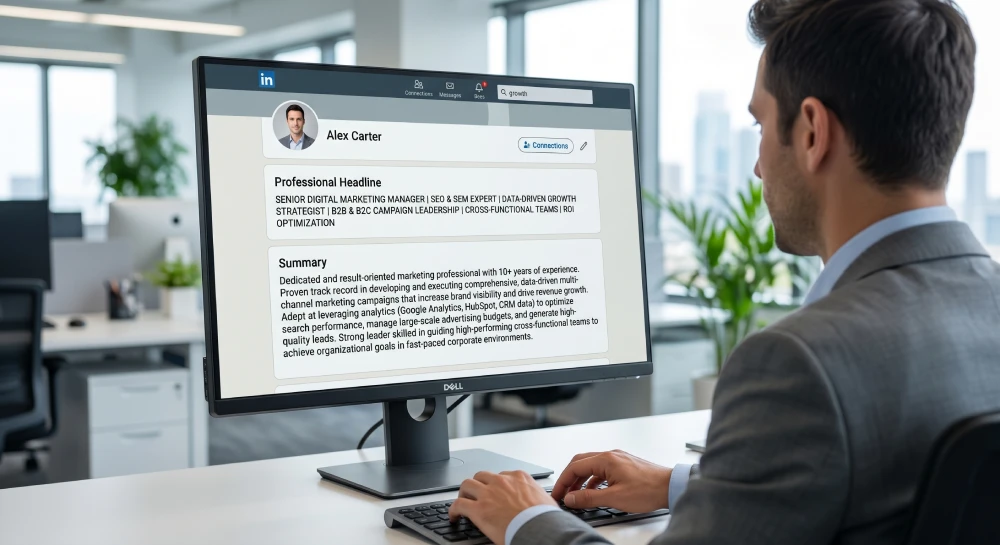
Your Profile Photo in the Digital Age
Before someone reads a single line on your profile, they see your face. Seen first, remembered better - this image shapes immediate impressions. Quality matters more than you think; sharpness, lighting, clarity - they all add up. Warmth in expression opens doors that stiff poses close fast. Recruiters notice faster, respond quicker when there's a real person visible. Connections? They’re more likely to say yes. Research shows activity spikes sharply without one. Profiles missing photos lag far behind those showing a clear, confident presence. Some numbers point to fourteenfold gaps between having or skipping it.
What makes a great Canadian LinkedIn profile photo in 2026:
- A real grin shows friendliness without trying too hard. That little lift at the corners of the mouth? It says you’re open, kind, maybe even trustworthy. Not staged, just present. Something about it puts people at ease. Looks confident yet down-to-earth. A quiet signal that connects more than words sometimes.
- A fresh look begins with a tidy backdrop - try a flat color like white, gray, or light blue. Instead of cluttered scenes, pick settings that feel calm and orderly. Skip nature backdrops, crowded places, or snapshots from gatherings. A quiet workspace often works best. Neutral tones keep attention where it belongs.
- A person’s face takes up most of the photo, just shy of filling it completely. Around the edges, there's slight room on each side. You can recognize features easily because it's near but not too tight. The distance works well - close without feeling cramped. Space above the head keeps it balanced, not squeezed.
- Your picture needs to match how you appear now. Not someone you resembled long before. Think recent, not distant memories of your face. A snapshot from ages back won’t do. What matters is what shows up when people see you lately. Outdated images tell a different story than the one happening today.
- Picture sharpness matters because fuzziness hints at carelessness. A crisp image shows someone paid close attention. Blurry shots suggest oversight, like rushing through steps. Clarity pulls focus where it should go. Grainy details whisper indifference instead. Precision in visuals often reflects overall effort.
- A sharp look matters, yet what counts as sharp shifts by field. Business casual fits many workplaces across Canada. Law firms tilt toward suits. Finance leans formal too. Executives often mirror that polish. What works in tech may miss the mark in banking. Dressing right means reading the room first.
When uploading your photo to personal websites or portfolios, use tags like: alt="LinkedIn profile photo tips for Canadian job seekers professional headshot" title="LinkedIn Profile Photo Tips Canada – Career Coaching Winnipeg | Adeline Financial"
Your LinkedIn Headline Is the Key Line on Your Profile
Your headline on LinkedIn? That tiny line shows up everywhere. Search hits spot it first. So do invites, replies to posts, even message snippets. Yet nearly everyone just plops down their job name - like “HR Lead at ABC Corp.” Sounds official, maybe. But what does it say about you actually doing work that matters? What drives you forward?
Most strong headlines on LinkedIn from Canadians show what job they actually do. They explain how others benefit when working with them. Direction matters too - where someone aims next shapes how people see their path.
Headline formula that works for Canadian job seekers:
Role | Impact/Who You Help | Key Skill 1 | Key Skill 2
Example: Financial Analyst | Supporting Small Businesses in Canada | Budgeting | Data Analysis
Starting fresh in a different role? Your headline might say: 'Operations Manager Moving into Project Management | PMP Candidate | Winnipeg.' It shows where you're headed while still honoring what you've done. A shift doesn't erase past work - it builds on it.
About Section: Crafting Your Professional Narrative
Here’s how most people handle their profile’s opening paragraph: they skip it entirely or write something vague that could apply to anyone. That space used to be named Summary before shifting to About - now it's yours to shape freely. Picture speaking face-to-face with someone who wants to know what drives your work. This spot lets you share motives, paths taken, skills built along the way. Many stick to safe phrases, making profiles blur together. Standing apart happens when words feel real, not rehearsed. Clarity here means others grasp your intent fast. Blank sections signal disinterest; filled ones can spark connection.
Organize the About section using this format:
- A fresh perspective often cuts through the noise. What matters most is how work translates into real outcomes. Not titles, not jargon - just what actually happens when effort meets execution.
- Starting out, I took on roles that felt like puzzles needing solutions. Over time, each challenge added depth to my understanding of how things truly connect. One step after another led me here, shaped by real situations more than plans. Now, what stands is a path made clear through doing, not just aiming.
- Start by showing how your work solves real problems. Employers gain clearer results when they see exactly what changes because of your effort. What matters grows obvious: tasks finish faster, decisions come easier, confusion drops away.
- Looking for work in tech support, maybe help desks or network troubleshooting. This tells hiring folks right away if the job matches what I do.
- A glimpse into your life beyond the job - maybe it’s a hobby, a habit, a story - sticks in people’s minds because it feels real.
- Reach out anytime - drop a note when you’re diving into cool work around [your field]. Connection? Always open. Curious minds tend to find their way here. Messages pop up now and then, yours could be next. Working on something fresh? That moment when ideas align - that’s where chats begin. Got momentum behind a project? Let it lead the conversation. People start talking like this all the time. Quiet moments spark the best exchanges. You typing those words might just fit right in.
Writing about yourself in third person feels stiff - like someone else wrote it. You are the one typing, so sound like you. Try starting with what you’ve done instead of naming yourself. After years spent creating forecasts for medium-sized businesses across Canada, clarity hits hard. That moment when numbers finally make sense? It sticks. First-person works best because it’s honest. Skip pretending a narrator introduced you here. Just say what matters from your own view. A decade deep into spreadsheets taught me patterns others miss. Present tense helps too - keeps things alive. Not everything needs an introduction. Some truths show up without warning.
Your Experience Section Focuses on Achievements Instead of Duties
Most folks on Canadian LinkedIn list tasks instead of results when talking about past jobs. What you were meant to do shows up as duty descriptions. Real hiring power comes from showing what came out of your work, not just the role title. Recruiters care less about routine chores. They notice outcomes more. That difference decides who moves forward.
For each role in your experience section, aim to include:
- A small window into what the job involves, along with a quick look at the company - handy if it's one people haven't heard of. Think snapshot: just enough detail to picture where you'd fit.
- Start strong with outcomes that show real impact. Numbers help tell the story - use them where it fits naturally. Each point should reflect something finished, measured, clear. Focus on what changed because of the work done. Let facts shape the message, not guesses or filler.
- Keywords from your target industry naturally woven into your descriptions.
Start strong by naming your move. Show exactly what changed because of it. Add how big the impact was. Place it where it mattered most.
Weak Versus Strong Experience Examples
Weak: One role meant handling social media and making posts. Overseeing sales staff was part of one job.
Strong: Another saw an Instagram audience jump from 2,400 to 18,000 in just over a year thanks to focused content work, which also pulled more visitors online - traffic rose 34 percent. In another, seven sellers were guided past their yearly goal by $1.2 million, hitting 18 percent beyond target - the top result across Western Canada.
Skills and Endorsements Help Others Find You
Pinned near the top, your three chosen skills grab attention first on LinkedIn. Up to fifty can be added overall. These aren’t just labels people see - they also help machines find you. When someone searches for a skill you’ve listed, the system matches profiles using those exact words. Visibility often depends on how well these entries align with what others type into the search bar.
How to optimize your skills section for Canadian job searches:
- Start by skimming recent job ads in Canada for the position you want. Notice which abilities pop up again and again. Build your profile around those repeated strengths. What employers keep asking for? That shapes what goes into your summary.
- Start strong by showcasing your top three skills that people need most. Place them right up front where they can grab attention easily. These abilities should reflect what you do best - make sure they stand out clearly.
- Start with practical abilities like software or data analysis, then shift to how well you work with others. Tools matter just as much as teamwork does. Knowing specific systems helps, yet guiding teams smoothly counts too. Technical knowledge pairs well with clear speaking. Methodologies need explaining simply, which ties back to people skills. Leadership shows up not only in decisions but also in daily conversations. Project oversight relies on organization, plus the ability to listen closely.
- Start by reaching out to people you know. Those who’ve seen your work can back up what you’re good at. When others confirm your key strengths, it shows up better in searches. Support from real connections makes a difference behind the scenes. People vouching for your abilities adds quiet momentum. That kind of signal matters more than filling profiles with claims.
- Outdated abilities might not reflect your current path - drop them if they feel disconnected. Skills evolve, so what once fit could now mislead. Sometimes letting go clarifies the picture. Old labels can blur the truth of where you stand today. Clarity often comes from cutting loose what no longer serves.
Recommendations: Social Proof That Works
Most people skip them, yet LinkedIn endorsements act like public references. These sit out in the open, seen by anyone scrolling through your work history, not handed quietly to a single recruiter. Picture three or four clear testimonials from bosses, customers, someone you teamed up with on a project - real names, real praise. That kind of page feels sturdier somehow, harder to ignore compared to blank profiles missing that layer entirely.
Great LinkedIn Recommendations:
- Start by thinking of people you’ve worked closely with - maybe a supervisor from years ago, someone on your old team, even a client who saw your projects unfold. A professor might fit too, if they watched how you handled challenges. Choose those who actually observed what you did, not just heard about it secondhand.
- Start off simple, share just enough so they know what matters most. A quick snapshot works better than long explanations. This way, their focus stays sharp without guessing your intent. Clarity comes through brevity, nothing more. What stands out should feel natural, not forced. Their voice gains strength when direction feels light.
- Writing a recommendation for them in exchange? That happens often, nothing strange about it.
- Right after finishing a project, shift in position, or strong feedback - ask people what they thought. Fresh moments hold clearer views. Wait too long, details blur. Timing shapes honest words. Right now matters more than later. People recall better when it just happened. Skip delays, gather thoughts fast. Experiences fade, but notes stick. Capture reactions before they slip.
- Start with someone who’s seen you lead, then bring in another who watched you grow. One might highlight how you solve problems quietly. Another could describe your steady presence during busy times. Choose voices that fill in pieces of the picture instead of repeating each other. Let experience show through varied moments they recall. Different angles make the full story feel real without needing to force it.

LinkedIn Activity Most Job Seekers Overlook
It surprises many how much simply showing up matters on LinkedIn. When someone posts often, leaves comments, shares thoughts - their profile begins appearing more: in searches, newsfeeds, even suggestion boxes. The system leans toward those who stay active, pushing their names out repeatedly. Quiet profiles? They tend to fade behind the ones consistently joining the conversation.
A Simple LinkedIn Strategy for Job Seekers in Canada:
- Once or twice each week, try posting something real - maybe a thought about your field, something you learned on the job, a tool that helped you out, or news of a win at work. A brief update, honest and clear, can make people notice your profile more often.
- Putting your name where eyes matter - drop insight under a hiring manager’s update instead of just liking it. That little note could catch someone looking for exactly what you offer. Picture that scroll stopping at words tied to your name. It happens when replies carry weight, not noise. A single line with substance often travels further than ten empty ones. Who sees it? Often the person two clicks away from an opening. Think less about being seen, more about being remembered.
- Liking posts can start quiet conversations. When someone shares ideas you value, add a thought of your own instead of just reacting. Sharing their update widens its reach naturally. Respect grows when effort flows both ways. A steady exchange feels less like strategy and more like genuine attention. People notice who shows up consistently.
- Becoming part of key LinkedIn groups opens doors quietly. Try diving into circles tied to Canadian trade bodies - they often host real conversations. Alumni networks pop up regularly, worth a peek if you’re tracking career paths. Professional hubs online? They tend to gather people who sign deals. Hang around long enough, names start looking familiar. Access isn’t handed out - it’s built one post at a time.
- Start tracking dream employers now. Their openings show up early there, giving you a head start on applications. Peek into how they operate day to day - clues hide in posts and updates. Spot patterns others miss by staying close. Knowing the vibe helps when it comes time to apply.
How Career Coaching Boosts LinkedIn Results
Most folks get how LinkedIn works. Yet stepping into the spotlight feels different somehow. Crafting a real story about yourself? That shakes some up. Sharing ideas where anyone can see them? Not so easy. Contacting strangers in your field? Even tougher. We keep circling back to these moments when guiding careers. Confidence often lags behind knowledge.
Start strong with how you show up online - every part of your LinkedIn gets looked at closely, from the headline down to those little endorsements. Picture this: small tweaks making big waves, because clarity draws people in better than polish ever could. Instead of sounding like everyone else, your words start reflecting what actually matters to you. Think less script, more real talk shaped with purpose. Activity on the platform? It flows easier when it matches who you are, not some rigid plan made by consultants. Recommendations gain weight when they follow genuine interactions, not robotic requests sent out in bulk.
Around-the-clock effort defines this profile, quietly boosting your presence. Opportunities show up more often because it stays active when you do not. Connections grow stronger through steady engagement, forming a base others rely on. Career progress in Canada takes root here, shaped by consistent visibility. What builds now supports what comes later, without pause.
Explore Career Coaching Services in Winnipeg at Adeline Financial. Whether you need Career Coaching for Recent Graduates or Career Change Coaching in Canada, guidance waits quietly behind the link. Grab a spot for your no-cost career chat at adelinefinancial.ca/complementary-consultations - spaces open without charge.
Your LinkedIn Profile Matters More Than You Think
Most top jobs in Canada go not to those with perfect skills, but to faces everyone sees. Standing out matters more than ticking boxes. Your LinkedIn page can pull chances toward you instead of chasing them down. When built strong, it speaks before you do. Right words, right place, right moment - that is how doors open. Effort shifts from reaching out to being found.
Start strong by making your presence matter. When setup works well, words hit clear, actions follow steady, your LinkedIn turns into a quiet force for what comes next. A solid shape around it pulls more weight than silence ever could.
What if your LinkedIn profile worked better for you?
Check out every career coaching option we offer, or read stories from people we’ve coached.
FAQs
Your LinkedIn About section can hold up to 2,600 characters (approximately 400–500 words). We recommend writing 250 to 400 words - enough to tell a compelling story and include relevant keywords, but short enough to be read in full by a busy recruiter. Use short paragraphs and white space for readability. The first two lines are visible without clicking 'See more,' so make them count.
Using the 'Open to Work' feature (with the green banner) can increase recruiter outreach significantly, but it is visible to all LinkedIn members including your current employer. If you are conducting a confidential job search, LinkedIn offers a 'private mode' that makes your open-to-work status visible only to recruiters using LinkedIn Recruiter - not to your current employer's talent acquisition team. Our recommendation is to use the private setting during an active confidential search.
Update your profile immediately when you change roles, complete a significant project, earn a certification, or achieve a notable result. Beyond those updates, do a quarterly review of your headline, skills and About section to ensure they reflect your current professional direction. If your goals have shifted - if you are now open to a different type of role or industry - your profile should reflect that immediately.
Canadian recruiters increasingly use LinkedIn as their primary sourcing tool - many find candidates directly on LinkedIn before the candidate has submitted a resume anywhere. Your LinkedIn profile is often the first impression a recruiter has of you, and a strong profile can generate an outreach message that skips the application process entirely. Think of your LinkedIn profile as your always-on, always-public resume - one that needs to be as strong as the document you send to employers directly.





Ask the Experts