

Surprisingly few folks in Canada struggle with budgeting itself. What trips them up is the way they go about it. Knowing you ought to plan your money isn’t the issue. Chances are, most have given it a shot before. Some might’ve opened a spreadsheet or tried one of those money apps. Still, when the last day comes, it’s unclear where everything disappeared - that goal from New Year’s now feels just as far away as before.
Most times it isn’t a lack of willpower holding people back. The real problem hides in how they approach it. Typical ways of managing money react too late - looking at spending only once it's already happened, then sorting through past choices. This one moves first. Every dollar gets a job ahead of time, assigned before the calendar flips. No loose ends float around. Luck plays no part here. That shift alters each step that follows.
One way to look at money: give every dollar a job before the month begins. That idea sits at the core of what happens inside Adeline Financial & Career Coaching, right in Winnipeg. Most folks who come through here end up using this method without exception. Picture starting from nothing, building your plan step by step until everything has purpose. It turns out, that approach clicks just as well for someone earning minimum wage as it does for high earners across Canada. The reason? Clarity replaces guesswork. Instead of hoping funds last, people see where each bit goes. Setting it up takes focus, yet feels more like mapping than restricting. Over time, patterns shift - quietly, steadily - because decisions line up with real life, not vague hopes.
Zero Based Budgeting Explained
One way to manage money is by naming what each dollar will do - use it for costs, saving, paying off loans, or sharing with others. Each month starts fresh, making sure income matches exactly with plans. Nothing gets left behind without a job. Instead of guessing where cash goes, you decide ahead. Every amount fits into a spot so the total comes out even at the end.
That label 'zero-based' comes straight from basic numbers: take what you make, subtract bills, savings, repayments - everything hits zero. When paychecks total five grand each month, every dollar gets a job in some category, down to the last cent. Leftover three hundred bucks after planning? That amount moves on purpose somewhere - maybe added loan money, boosting reserves, or stashed toward trips - all decided ahead of time.
This approach flips the script on how most folks handle money, since regular budgets often just guess at limits then look back to see if things worked out. Instead of guessing, each dollar gets assigned a job before the month even starts - so your budget turns into something you follow, not something you examine after the fact.
Zero Based Budgeting Fits Canadian Spending Habits
Canada's financial landscape has specific features that make zero-based budgeting particularly powerful here:
Variable Paycheque Timing
Most people in Canada get paid once every fourteen days instead of on the last day of each month. Because of that timing, they’ll see three payments in certain months instead of just two. That third amount often vanishes, spent without thought or purpose. When using a zero-dollar plan, though, that bonus check gets assigned right away - maybe to savings or knocking down what you owe - long before it can leak into random costs.
Seasonal Expenses
Winter coats, heating system checks, getting the car ready for snow - these costs show up with the seasons. Some folks forget about them until the bills arrive. Holiday presents, summer trips, tax payments - they all come around like clockwork. Start fresh each year by planning every dollar ahead of time. That way, money is already set aside when December shopping rolls in. When January brings its tax notice, there is no scramble. Each month feeds small amounts into future needs. No surprise stress later on.
GST/HST Credits and Tax Refunds
Most Canadians get money every few months through GST/HST credits, plus extra at tax time each year. That cash could actually go toward something meaningful instead of vanishing into regular bills. Start fresh with your budget so there is no guesswork when those funds land. The moment the deposit hits, follow through on what was already decided. What matters comes down to planning ahead, then sticking with it.
Money set aside today can handle tomorrow’s bills without panic. Each month, a piece goes into a special spot - slowly building up. Rather than waiting until the bill hits, payments spread out evenly across the year. Car insurance? School items? They get easier when funds pile up ahead of time. By the time due dates come around, everything needed sits ready. No scrambling, no shock - just planned readiness doing its job quietly. This method slips neatly into budgets where every dollar has a role.
Zero Based Budget Setup Canada Steps
1. Calculate Your Total Monthly Income
Picture the cash hitting your account each month - that’s your take-home pay after taxes. When what you earn shifts around - like if you freelance or work on commission - go by the smallest amount you usually get. Once you’ve got that number, anything extra shows up as a surprise. That leftover sum gets sorted later, under different rules.
Start by listing every paycheck you get - jobs count first. Toss in rent money if you collect it from others. Government payments like child benefit or tax credits? Add those too. Think of dividends or interest, even small bits from savings. Side gigs matter just as much, whether cash or digital. Always go with what actually lands in your account after taxes take their cut.
2. List All Expense Categories
Here’s the spot things usually go off track - missing pieces in the budget. Leave nothing out, skip zero. Sort what you spend into four piles instead:
- Giving: Offering time or money to causes that matter. Sharing what you have without expecting anything back. Helping someone through a donation. Supporting places like churches or shelters. Giving to people who need it most.
- Saving: Putting money aside happens each month. Emergency savings grow bit by bit. A TFSA holds cash for future needs. Retirement gets a slice through RRSP deposits. Education funding moves into an RESP. Car fixes come from a dedicated pot. Home repair costs are pre-planned. Vacations get funded ahead of time.
- Debt: Pay off what you owe each month at least the required amount while also sending more money to clear smaller balances first when possible though not required. Focus shifts to next debt after one is fully paid even if just a little extra goes now then later. (Need help escaping debt? Learn how to get out of debt faster with a financial coach.)
- Living Expenses: Housing takes up a big part. That includes rent or mortgage payments, property taxes, maybe strata fees too. Power bills show up every month. Food comes next. Getting around costs money. Personal habits need budget space. Eating at restaurants slips in even if cooking more at home. Streaming shows or music apps add small charges each cycle. Little things pop up - gifts, repairs, forgotten items - that fill leftover gaps. (Struggling to categorize? Read our guide on understanding needs vs. wants.)
3. Give Each Dollar a Job
Give first, when giving matters to you, followed by setting aside savings. After that comes covering the least you must pay on debts. Then plan how much goes toward everyday costs. Put a number on each part so everything adds up exactly to what you earn. Leftover? Send it where it helps most right now - killing debt fast, growing safety cash, or boosting a target stash.
4. Track All Transactions Each Month
Month by month, your zero-based budget asks for attention. Tracking what you actually spend keeps it real. Try paper, apps, or spreadsheets to stay on course. Every time cash goes out, write it down right then. Look at what's left in that category after each purchase. Once empty, that bucket holds nothing more until the new cycle begins.
5. Monthly Budget Meeting
When the month ends, check your progress compared to what you planned. See where you spent too much, and also where you saved extra. Think about reasons - maybe some amounts were off target, or perhaps surprises came up during spending. Let those insights shape adjustments ahead of time. Before a fresh month begins, draft its outline based on past experience.
6. Adjust When Life Shifts
Life shifts - your budget should too. When pay changes, little ones arrive, work moves, costs rise, or health needs hit, numbers on paper must follow. Every few months, look again at where money goes. Reality updates demand honest checks. Priorities now matter more than plans made before. Adjustments keep things real.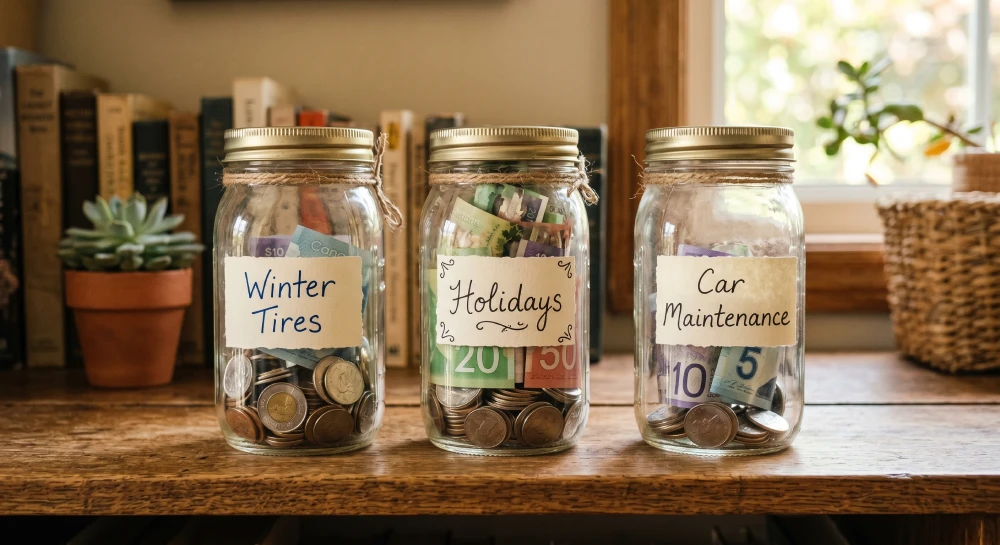
The Most Common Zero Based Budgeting Errors Canadians Make
- Budgets fail when surprise costs show up. Car tags come once a year, then wreck the plan. Same thing happens with yearly insurance bills - they sit quiet for months, then hit hard. Membership dues sneak in too, easy to ignore until payment day. Set money aside slowly, piece by piece, so it does not shock later. Skip that step? The numbers stop working fast.
- Week two might find you ditching the plan if there’s zero room for coffee runs or movies. Fun needs space in any budget that lasts. Skipping treats sets up a system bound to fail. Real behavior fits better when small joys are included ahead of time. A rigid spreadsheet ignores how people actually live.
- Most people mix up their paycheck numbers when planning expenses. That number on your employment contract? Ignore it for budgeting. What matters is what lands in your bank account each payday. Start there, not with promises on paper. Mistakes happen when guesses replace real numbers. Build around that truth, never the bigger figure before deductions.
- Most folks check their money plan just once near month’s close. That kind of timing shows past stumbles, not upcoming slips. Watching slowly as days pass reveals small shifts before they swell. Numbers change bit by bit, often without warning signs. A steady eye spots trouble while there’s still time to shift gears. Waiting until the final stretch means reacting, never leading.
- Most folks quit too soon when their budget feels off. Yet sticking through a shaky start usually pays off by month three. First attempts often miss the mark simply because details get missed early on. It takes time to spot where money slips away unnoticed. Rough patches at the beginning? Totally expected.
Surprisingly freeing, viewing your money plan like a pass to enjoy life instead of a rulebook full of limits. Suddenly it feels less like being trapped by numbers more like getting approval for choices that truly count. It shifts everything when you realize those dollars set aside actually say yes rather than no.
Managing Money When Earnings Change Each Month in Canada
Working for yourself? Handling freelance gigs, contracts, or sales roles often means money shifts month to month. That kind of unpredictability can make planning tricky. Yet using a zero-based method brings clarity. Every dollar gets assigned a job before the month begins. Even when pay fluctuates, control stays possible. Structure emerges even without steady checks.
The Adeline Financial Approach
- Start by looking at how little you made in a single month during the last year or two. That number becomes your base when planning expenses. Use it like an anchor, not a guess. Shape everything else after that figure shows up. Let it guide what comes next without stretching too far.
- Start by ranking your spending areas from most essential to least. When money is tight, cover basics like shelter, meals, power before anything else. Lower on the list gets paused if needed. Important things come first when funds run short.
- When money comes in more than usual, decide ahead of time where it goes. This plan puts extra cash into clear spots without guesswork. Half might go toward building wealth through saving or investing. A third portion can wipe out what you owe faster. The rest strengthens a reserve for times when earnings drop later.
- Apart from your regular accounts, keep a backup stash - set aside enough cash to cover four to eight weeks of bills. If money comes in slow, tap into this pile gently. On heavier earning stretches, slide extra into it quietly. This little cushion handles bumps without panic. Balance shifts naturally, no strict rules needed.
Financial Coaching Helps Zero-Based Budgeting Last
Starting strong doesn’t always mean staying steady. Many attempting zero-based budgeting quit before hitting month four. The approach works well, that part is clear. What trips them up? Building the system takes hours at the start. Those early weeks feel awkward, out of rhythm. Without someone watching, slipping into past habits happens fast.
Start here - we craft your first zero-based budget during our financial coaching talks, filling each section with actual amounts from your life. Hidden costs come into view once we dig through what you spend every month. Sinking funds get sorted early so surprises later won’t knock you off track. A way to follow your money takes shape, built around how you actually live. Meetings happen again and again on purpose - moments to see forward movement, honor small steps, fix hiccups fast.
Month after month, folks we work with say starting from zero with clear tracking - paired with regular check-ins - gets them further than they’d ever get alone. What used to stretch into years now happens fast.
Direct Your Money With Purpose
Every dollar has a job when you decide where it goes ahead of time. That choice changes everything about how money feels. Instead of guessing, you see clearly. Each expense lines up on purpose. A plan takes shape not from hope but from actual numbers. Decisions come easier once they’re already made. Money moves with direction because you gave it one.
Most folks give up on budgets fast. Truth? The fault lies not in effort but in fit - generic plans ignore real paychecks, actual bills, daily choices. A system shaped by personal income, habits, ambitions works different. This kind of tailored setup stands at the core of what happens inside Adeline Financial & Career Coaching.
Start Your First Zero-Based Budget Today
Get personalized guidance to build a budget that actually works for your life.
Book Your FREE Financial Coaching Session
Want to learn more? Check out our Smart Canadian Saving Strategies.
FAQs
They are closely related but not identical. The envelope method involves physically (or digitally) placing cash into labelled envelopes for each spending category. When an envelope is empty, spending in that category stops for the month. Zero-based budgeting is the broader framework - every dollar gets a name - and the envelope method is one execution tool within it. You can do zero-based budgeting without the envelope method by using a spreadsheet, a budgeting app or multiple bank accounts labelled by category.
YNAB (You Need A Budget) is built specifically around the zero-based budgeting philosophy and is extremely popular among Canadians who take budgeting seriously. Mint (though its availability has changed) and Monarch Money are also used by Canadian budgeters. Many of our coaching clients use a simple spreadsheet, which gives you complete control and costs nothing. The best app is the one you will actually use consistently - the tool matters far less than the habit.
Absolutely - and we strongly recommend it for couples. The key is holding a monthly budget meeting together, before the month starts, where both partners contribute to building the plan. This shared ownership of the budget dramatically reduces financial conflict and ensures that both partners' priorities are represented. Couples who budget together consistently report significantly less money-related stress in their relationships.
This is normal, especially in the first few months. When a category is overspent, you have two options: take money from a lower-priority category in the current month (reallocate deliberately, not unconsciously) or note the overage and adjust next month's budget to better reflect reality. The goal is not perfection - it is intentionality. Even an imperfect zero-based budget produces dramatically better results than no budget at all.





Ask the Experts