
A number like this hits hard when you think about it. A study done by Canada’s financial consumer watchdog shows close to fifty out of every hundred people couldn’t handle a surprise five-hundred-dollar bill without borrowing money. Just imagine-half the population one broken appliance away from using plastic to get through. Picture your vehicle needing fixes, heat cutting off mid-winter, even health bills piling up suddenly. Chances are just as likely someone pays with borrowed funds rather than savings. One slip and spending tomorrow’s income today becomes normal.
This isn’t about weakness. Fixing money struggles often means tackling broken systems instead-something a financial coach guides you through slowly. A stash for emergencies stands above all else as your key backup plan. Every aim like clearing loans, growing wealth, and owning property rests on having that base ready.
Picture this: a stash of cash set aside just for surprises life throws your way. Think broken car, sudden job loss, medical bills out of nowhere. That safety net? It's called an emergency fund. How big should it be? Most say three to six months of living costs. Some stretch to twelve. Depends on your sleep-at-night number. Where does the money live? Not in stocks. Not under the mattress. A separate savings account works best-easy to reach, but not too easy. Start small if you must. Even five dollars weekly adds up. Pay yourself first, like it’s a bill that can’t wait. Missed rent hurts less than drained savings later. Automation helps-set transfers right after payday. Skip the coffee runs once, slide that cash instead into the pot. Life slows when crisis hits. Having funds ready means fewer phone calls to family at midnight. Build slowly. Stay steady. The goal isn’t perfection-it’s progress with purpose.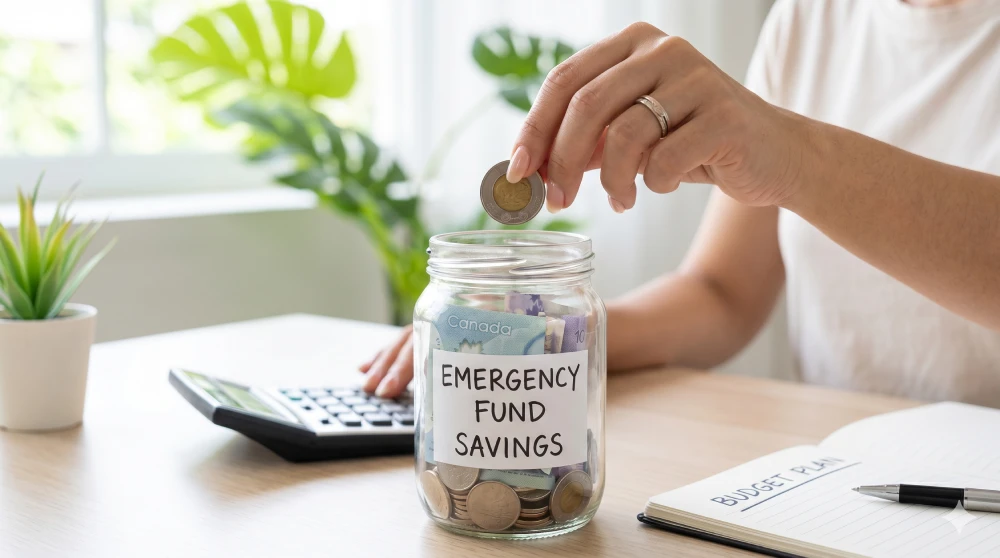
Emergency Fund Basics and Reasons to Have One
What Is an Emergency Fund?
A stash set aside just for surprises makes up an emergency fund-usually enough to handle three to six months of must-pay bills-and it sits in a spot you can reach fast when needed. When work ends too soon, sickness hits, tires blow out, or pipes burst, this money steps in so loans aren’t the only option left. Think of it as what stands quietly between normal days and sudden storms.
That stash of money works like a safety net. Hope stays high you won’t touch it, yet trouble shows up without warning now and then-everyone faces those moments-so holding back something keeps small setbacks from turning into long struggles with what you owe.
When there is no emergency fund, small money problems turn into big ones fast-often ending up on a credit card. When those charges pile up, they come with nearly 20 percent interest, making repayment tough. That kind of pressure fades when savings cover surprises instead. A cushion like this stops debt before it takes hold.
A fresh start at Adeline Financial means one thing first: setting aside cash for surprises. Not after tackling loans. Not while eyeing stocks. This cushion comes early because everything leans on it. Without it, next steps wobble.
Emergency Fund Savings Guidelines for Canada
Most experts suggest setting aside enough cash to cover basic costs for three to six months. Think only about what you cannot live without. Stuff like takeout meals? Left out. Same goes for streaming services, movies, concerts, anything you could pause if needed.
Start by listing what you spend every month on must-have costs. Then take that total, times it by how many months you want to cover. That gives the sum needed for your safety cushion. Here is a typical breakdown:
- Housing: Monthly housing cost might be around $1,500. Exact figure depends on location and property type.
- Utilities: Monthly payments cover power, heating, web access, along with phone service-around $300 fits typical bills.
- Groceries: Food for the home might cost around $600 every month.
- Transportation: A monthly chunk goes toward car payments (around $500). Insurance, fuel, or a transit pass fits into this budget line.
- Insurance: Monthly payments might cover life, rental, or house protection—around $150 each month.
- Debt Obligations: Minimum monthly payments around $250.
That number covers what it costs just to keep things running each month-say, $3,300 every four weeks.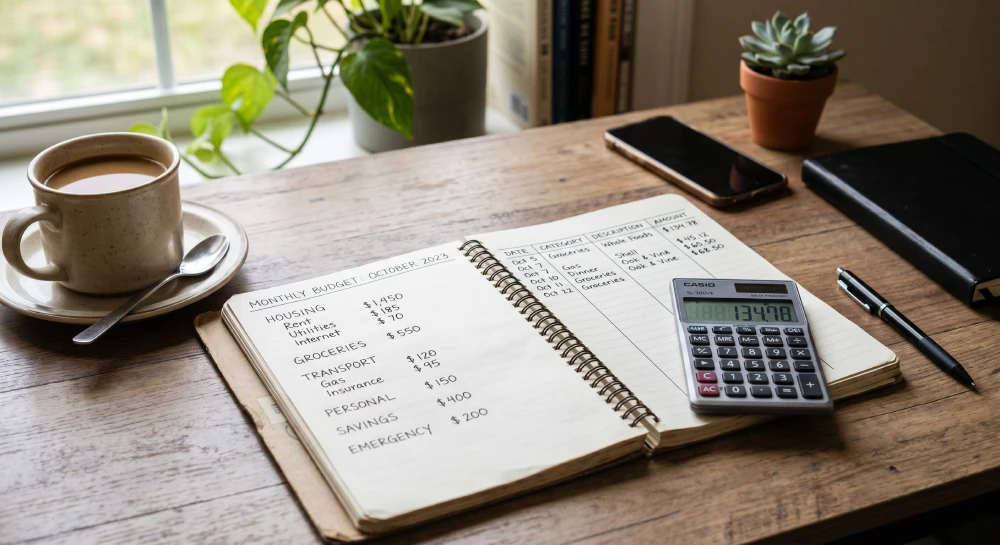
Example Calculation
A person spending $3,300 each month will need $9,900 saved for three months’ worth of backup cash. $19,800 covers half a year’s necessary costs. Begin instead with $1,000 tucked away just in case. Build up slowly after that, moving step by step past the first milestone once debts shrink.
What guides your choice of 3 versus 6 months? When freelancing, earning through commissions, being the sole earner, working in an unpredictable field, or supporting others financially—six months offers better grounding. On the flip side, shared earnings, stable employment, and no dependents might make three enough. The longer cushion fits tighter risks.
Build an Emergency Fund in Canada
Starting small beats waiting for big breaks when cash runs short. This method guides every client we coach step by step.
Open a High-Interest Savings Account
Keep that emergency stash apart from your regular spending account. Because when it sits on its own, dipping into it feels less automatic. Try tracking down a savings option at a local bank or credit union-ones bumping up interest without charging each month.
Set a First Goal of $1,000
Start small, not big. Jumping straight into a half-year goal can crush motivation fast. Try aiming for $1,000 to begin. A buffer of just that much covers surprise expenses like car fixes or medical bills.
Check Monthly Spending to See Where You Can Save
Surprisingly, tracking your cash flow comes first if saving matters to you. Look back at the past ninety days of transactions and sort each payment into groups. Often, folks spot between $100 and $300 vanishing monthly on things they barely notice or could scale way down.
Check out this piece on telling needs apart from wants to uncover extra cash space: Spotting Needs vs. Wants When Managing Money.
Automate Your Savings
Right after payday, have a set sum move straight from checking into your high-interest savings. Out of sight often means out of mind, so that cash stays put without temptation.
Put Unexpected Money Straight into Emergency Savings
When tax refunds arrive, slide them straight into your emergency stash. Birthday cash? Same move. Work bonuses land there too. Progress jumps ahead fast this way.
Protect the Fund by Clarifying Emergency Criteria
Picture an actual crisis-sudden costs like a broken-down car, doctor bills, or losing income. These fit. A discount on clothes does not. Pause before using those savings. Run each reason through three checks: Did this come out of nowhere? Can’t wait? Must happen? Only then.
Refill Right After Taking Out
Once the rough patch ends, filling up your emergency savings should come first. Think of it as paying back a loan-to yourself.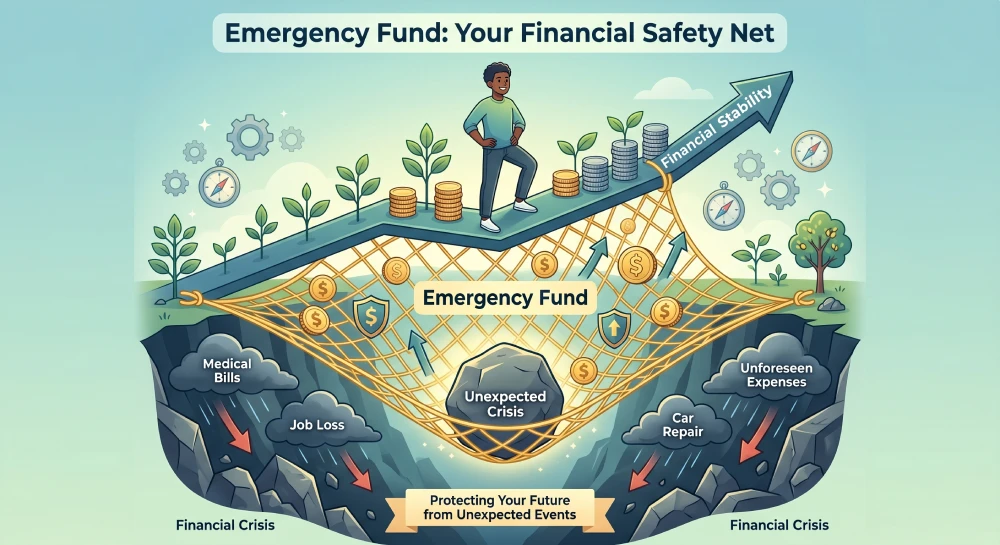
Emergency Fund Storage Options in Canada
A spot that works for your emergency cash must tick off ease of reach, protection and a bit of gain. Full coverage counts too-look for CDIC backing at banks, or CUDIC if you're with a Manitoba credit union.
- High-Interest Savings Accounts (HISA): Cash moves to daily accounts fast (usually one or two workdays). Digital lenders often have the best rates.
- Tax-Free Savings Accounts (TFSA): A TFSA can hold cash meant for surprises. Stuffing your backup money into a TFSA-linked high-interest savings kicks off quiet gains, and zero taxes nibble away at what it earns.
- Avoid GICs: Skip GICs for emergencies-they trap cash for a set stretch. Withdraw early and fees might bite.
- Avoid the Stock Market: Cash tucked into shaky markets might shrink instead of helping. Think steady spots, not rollercoaster trades.
Having Debt Doesn’t Mean You Can’t Save
This dilemma pops up often during money coaching talks—tackle debt early or stash cash for surprises? Start with saving just a thousand dollars. That step alone sets the base.
- A single surprise bill can wreck progress when there is no backup cash, leading straight to swiping the plastic again.
- A thousand dollars handles most small surprises that pop up (car fixes, swapping out household gadgets).
- That safety net sits quietly in the background, making tackling debt feel less risky because help exists if things shift.
- Only after finishing off personal debt comes the step toward a complete safety cushion (three to six months of living costs).
?? Important Nuance: When payday loan rates climb too high, talking to a financial coach helps shape your next move.
Winnipeg Financial Coach Helps With Money Goals
Most people understand the steps they should take. Yet following through day after day? That part trips up nearly everyone. Financial coaching steps into that space where knowledge ends and habit begins.
Every step of your money journey gets clear direction at Adeline Financial. Your emergency goal comes into focus first. Then, saving happens automatically through systems built just for you. Surprisingly fast progress shows up for most people we work with-a basic safety net usually takes shape between two and four months after starting.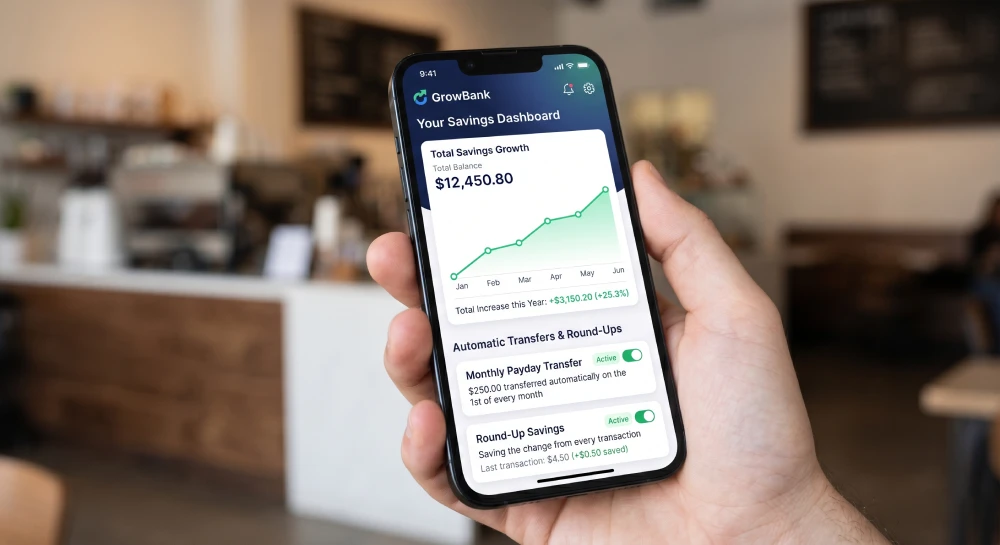
Your Emergency Fund Builds Financial Freedom
Most people overlook how shaky things feel when money lacks support. That cushion sits quietly beneath everything else you plan. A surprise cost shows up-suddenly sleep comes easier because something's already in place.
Today’s the day. Crack open your HISA, turn on auto-transfers, then step forward. Should you need a full blueprint-something linking your rainy-day stash to spending limits, loan repayment, plus future targets-Adeline Financial & Career Coaching shapes those pieces into place alongside you.
Ready to start? Book your free financial coaching session today.
FAQs
At a savings rate of $300 per month, a 3-month emergency fund for someone with $3,000 in monthly essential expenses ($9,000 target) would take 30 months to build from scratch - but this timeline accelerates dramatically if you direct tax refunds, bonuses, or other windfalls to the fund. With coaching and a focused plan, most clients achieve their starter fund within 3 months and their full fund within 12 to 24 months.
We strongly advise against investing your emergency fund in anything volatile. The entire purpose of the fund is to be reliably available when you need it. A stock market drop of 30 percent - which happens regularly over a long investment horizon — would be devastating if it occurred at the same time as a job loss. Keep your emergency fund in a stable, guaranteed, accessible account and invest separately with money you will not need for at least 5 years.
For most couples, a single joint emergency fund is the most practical approach, as your household expenses are shared. The target amount should be based on total household essential expenses. Some couples prefer to maintain a small individual fund in addition to the shared fund for personal expenses and true financial autonomy - this is a personal preference rather than a financial requirement.
Yes - and it is even more important in this situation. When you live paycheque to paycheque, a single unexpected expense can create a debt spiral that takes years to escape. We recommend starting with a goal as small as $500 and saving even $25 to $50 per paycheque. The habit matters more than the amount at the start. A financial coach can help you find savings room in your budget that you may not realize exists.



Ask the Experts