
Step into Canada - then step right into a money world that might leave you puzzled.
Just moved to Winnipeg as a newcomer - maybe on a work visa, study permit, school graduate, or resettled family? Money routines here might feel unfamiliar. Rules at banks aren’t like back home. How credit gets built takes another shape entirely. Tax duties shift under new laws. Missteps, even small ones made without intent, tend to stick around longer than expected.
Here’s a twist - Canada offers powerful support through its money systems and public benefits. When the pieces click into place, what unfolds is rare: solid ground for lasting stability and growth at home. All it takes is guidance to unlock what already exists.
Starting fresh in Canada? That is where our experience at Adeline Financial & Career Coaching comes in. People arrive here from all corners of the world, each with a different story. This guide covers key money moves anyone can make when settling into Winnipeg. One step at a time shapes how smoothly things go later on.
Start strong with Canada’s steady approach to banking rules. Right away, fresh arrivals might try setting up two kinds of accounts - one for regular spending, another to grow a safety cushion over time. Not long after landing, many find it useful when big banks ease entry through special deals that cut costs and shorten paperwork. Money arriving from jobs lands easier here, plus handling everyday payments feels less tangled once an account exists. Little by little, using these services helps shape how lenders see you down the road.
One thing stands out about Canada's banking landscape: it’s shaped mostly by six large players known as the Big Six. These include RBC, TD, Scotiabank, BMO, CIBC, and the National Bank of Canada. Not far behind come credit unions - locally rooted, customer-owned groups offering sharp interest rates alongside a human touch. What sets them apart? A focus on individual needs rather than broad corporate goals.
For those arriving fresh, a handful of the largest six banks have tailored account options worth a look. These plans often include features designed around early needs. Each comes with its own set of conditions, clearly laid out. Getting familiar takes little time yet might save some hassle later on. Specifics differ but basics stay similar across choices:
Winnipeg hosts several credit unions ready to welcome newcomers - Cambrian, Assiniboine, and Access among them. Though smaller than major banks, these institutions tend to ease up on paperwork demands. Flexibility shows up most when opening accounts, where rules feel less rigid. Better interest rates sometimes come with that openness too.
Getting set up with a bank in Canada? Easier than it sounds. Many lenders welcome new arrivals - no fixed home or local track record needed - as long as paperwork checks out.
Documents you will typically need:
Right away after opening your account, grab a debit card - often known as an Interac card up north. Then see about turning on online access through the bank’s website. The phone app comes in handy too, so install that when you can. With these pieces lined up early, handling money here feels less bumpy from the start.
Lending trust in Canada shows up as a number between 300 and 900 - your track record with borrowed cash shapes it. Credit agencies like Equifax and TransUnion build this figure using payments made, debt levels compared to limits, time spent building credit, mix of accounts held, along with fresh applications checked. Hitting past 660 puts you in solid standing; once you cross 760, lenders see very low risk. That number shifts quietly behind the scenes every time money moves.
Your credit rating in Canada plays a role in big choices - landing a rental home might depend on it, getting approved for a house loan could hang in the balance, plus the amount of interest charged on borrowed money often links back to this number; certain jobs may look at it too, depending on the field.
What matters most? Your past credit record stays behind when you move to Canada. Starting fresh means nothing shows up yet - blank history, full stop. That gap trips people up once they land, especially if they didn’t expect it. Being unseen by lenders isn’t theoretical - it slows things down right away.
Starting fresh means getting on top of your credit life in Canada without delay. Luckily, hitting a strong score can happen by 12 to 18 months after landing, so long as you follow a clear plan. (Need help building a plan? Book a free coaching consultation with us.)
Starting fresh? These four steps help new residents create a credit history in Canada. One way is opening a secured credit card account to begin reporting activity. Another path involves becoming an authorized user on someone else's well-managed account. Some find success using a credit builder loan through select financial institutions. Each method works best when payments happen on time, every time.
Putting down a refundable deposit - usually between two hundred and five hundred dollars - is how a secured credit card works, so your spending limit matches what you pay upfront. Using it feels just like any standard card: buy everyday things, then clear the bill monthly without carrying debt. Each on-time payment gets sent to credit reporting agencies, slowly shaping your financial record over time. Stick with good habits for about a year or more, and many lenders will switch you to an unsecured account while returning the initial cash.
Starting fresh in Canada? Some banks hand out credit cards meant just for those without a local credit trail. Take Scotiabank’s StartRight option - it opens doors quietly. Then there’s BMO, offering a card shaped around new arrivals’ needs. Over at RBC, their Rewards Visa fits similar shoes. Each begins small, limiting how much you can spend early on. Still, they count every purchase toward forming that first financial footprint here.
Start by thinking about someone close - maybe a cousin or childhood buddy - who lives there and pays bills on time. Their card could become your starting point, if they agree to include you under their name. Picture it: plastic with your label, yet tied to their record. When payments land without delay, that behavior quietly builds your own trail. Watch how they handle money first, though. Jumping in too fast might backfire unless their pattern stays steady. Only move forward when trust lines up with habit.
A few credit unions along with web-based lenders across Canada provide special loans meant to help folks build their first credit file. These payments go each month toward paying off the loan while the company sends updates about your progress directly to agencies tracking credit records. When the repayment period finishes, the money held under your name gets released back to you. Think of it like putting cash aside slowly while also forming a record that shows others how reliably you handle debt.
Starting with a bank account puts you on track - next come two strong options, the TFSA and RRSP, each helping in different ways. One grows tax-free when you save, while the other cuts what you owe now but asks taxes later. These accounts work behind the scenes once set up, doing their part without needing daily attention. Each fits certain goals, depending on how soon you might need the money or how income shifts over time.
As a newcomer, here is what you need to know:
Once you live in Canada and turn eighteen, a TFSA becomes an option. Starting that year, space opens up for savings - seven thousand dollars by 2025 counts toward it. Money goes in after taxes take their share. Growth inside? Not touched by tax ever. Take funds out whenever needed, no penalties tagging along.
A fresh start in Canada doesn’t need past pay stubs to open a TFSA. This account quietly keeps your emergency money growing through better interest rates. When life gets shaky at first, pulling funds out won’t bring tax trouble later. Its freedom fits tightly into fragile beginnings.
One way to look at RRSP space: it's tied to 18 percent of last year’s Canadian earnings. First time here? That number might be small - possibly due to only part-year local income. When pay goes up, so does the amount you're allowed to put away. Growth in what you earn changes how much fits into that yearly bucket.
Later on, as earnings climb, setting money aside in an RRSP cuts what you owe in taxes right away. That benefit grows stronger when your pay moves up into a heavier tax range. At first, after arriving in Canada, saving through a TFSA usually makes more sense. Only once income climbs does the RRSP start working harder for you.
Figuring out how much daily life costs in Winnipeg helps shape a sensible spending plan. This city tends to be easier on the wallet compared to other big Canadian spots, making it appealing for people who just arrived. Still, expenses might catch someone off guard without proper planning. Around how much one person might spend each month in Winnipeg during 2025:
Winter in Manitoba means real cold - think minus thirty degrees, sometimes worse. A heavy coat, solid boots, and layered clothes? Worth every dollar. Heating costs climb when the snow starts falling and stay high until spring shows up. If there is a car in your life, a block heater might just save it one icy morning. What feels like extra spending here back home turns out to be basic survival in Winnipeg.
Starting fresh can mean facing bills you didn’t expect. That’s where help makes a difference. New arrivals often overlook everyday expenses unique to Canada. Planning begins by listing every expense, even small ones. Some find room to save sooner than they thought. A clear picture of income versus spending reveals openings. First-month clarity sets the pace. What matters most shows up when numbers tell the truth.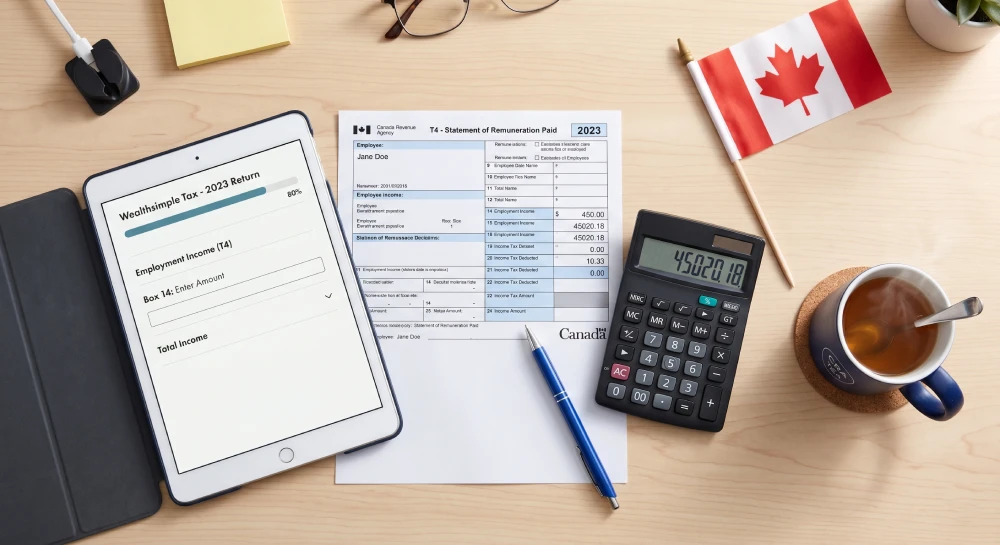
Taxes in Canada come under watch by the CRA, operating in ways unlike what you might know elsewhere. Each person arriving should grasp these basics: a look inside how it really works.
Free help with taxes shows up each spring in places like Winnipeg, thanks to volunteers from coast to coast. You might find a session at your local library, a settlement office, or nearby community hall. These spots welcome new arrivals and those earning less. Getting things right early means more money back over time. The first return often opens doors that stay open later.
Starting fresh somewhere means facing money rules that feel foreign. Building a place to live, finding work, connecting with people - all of it at once. It weighs heavy. Help exists. Learning through costly errors? That part isn’t required.
Financial and career support for newcomers in Winnipeg:
Right from the start, some people who’ve just arrived mention how having someone guide them through money matters made things less overwhelming. Instead of guessing, they had support during a time when small errors could lead to big problems. Clarity began showing up where confusion once sat. A few said it changed how they saw their future here. Control came easier when steps were clear. Their journey settled into something more steady, more grounded.
Check out what we offer for financial coaching at Adeline Financial.
Life can grow steady here, if numbers matter to you. Picture this - accounts that keep taxes low while cash builds up. Banks rarely wobble. Support exists when things go sideways. Work shows up for people ready to grab it. Opportunity breathes through cities and towns alike.
Most people get stuck without a roadmap. Clarity comes when steps are laid out plainly. Knowing what matters most shifts everything. That confusion? It fades with support nearby. Someone who listens helps untangle money questions fast. Guidance changes how decisions feel. In Winnipeg, help shows up as steady presence. Not pressure. Just practical talk about budgets or job paths. Questions lead to answers there. Progress follows. For numbers on paper or next moves at work, direction grows clearer each visit.
Ready to build a solid financial foundation and find the right career path in Winnipeg?
Yes. Permanent residents of Canada are eligible to open a TFSA as long as they are 18 years of age or older and a resident of Canada for tax purposes. You do not need to be a Canadian citizen. International students on a study permit and temporary workers on a work permit may also open a TFSA, but there are important implications to understand — non-residents are subject to a 1 percent monthly penalty tax on contributions made while non-resident. Speak with a financial coach to ensure you understand your specific situation.
Several options are available, each with different costs and speeds. Major bank wire transfers are secure but can be expensive (fees of $15 to $30 per transfer plus exchange rate spreads). Services like Wise (formerly TransferWise), Remitly and Western Union typically offer better exchange rates and lower fees for international transfers. If you are transferring a large amount - such as proceeds from selling property in your home country - consult a financial professional about potential tax implications under Canadian foreign income rules.
No. You can open a Canadian bank account with your passport and immigration documents, regardless of your specific visa category. You do need a Social Insurance Number (SIN) to begin employment in Canada, but you can open a bank account before receiving your SIN.
Most Canadian lenders require at least 2 years of Canadian credit history, Canadian employment income and a down payment of at least 5 percent (for homes under $500,000). As a newcomer, this typically means waiting 2 to 3 years before qualifying for a standard mortgage, though some lenders have newcomer mortgage programs with modified requirements. Building your credit score, saving a larger down payment, and working with a mortgage specialist who understands newcomer situations can significantly improve your eligibility timeline.